
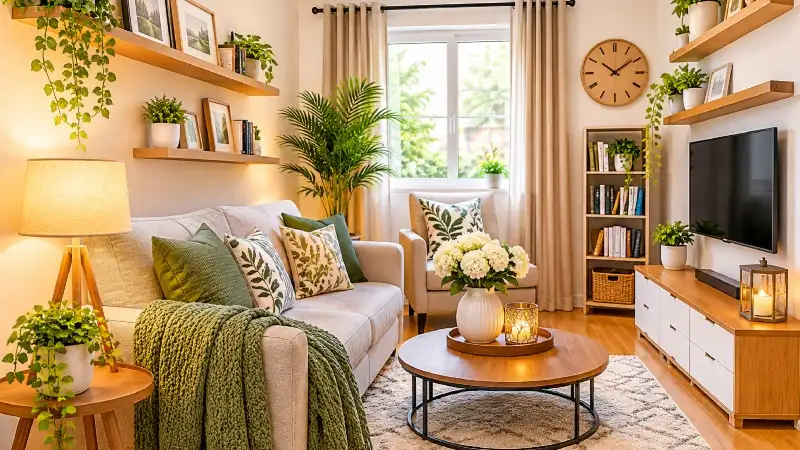
Decorating a small home can feel challenging when every room seems to have limited space. However, a smaller home can still look beautiful, feel comfortable, and offer plenty of functionality with the right design choices. You do not need a large budget or expensive furniture to create a welcoming environment.
The secret is to make thoughtful decisions about furniture, lighting, colors, storage, and layout. Even small changes can make a noticeable difference in how your home looks and feels.
In this guide, you will discover practical small home decorating ideas that help you maximize your available space while creating a stylish and cozy atmosphere.
1. Choose Light and Neutral Colors
Soft, light shades can create an airy and welcoming atmosphere while making a small room appear more spacious. Shades such as white, cream, beige, and soft gray reflect natural light and help reduce the feeling of visual clutter.
Choose a coordinated color scheme that flows naturally from one room to another throughout your home. For example, white walls paired with beige furniture and light wood accents can create a calm, modern appearance.
You do not have to avoid darker colors completely. Use them in small details, such as decorative pillows, picture frames, or accent pieces.
2. Use Multifunctional Furniture
Multifunctional furniture is one of the most practical solutions for a small home. It allows you to use the same piece for different purposes without filling your rooms with unnecessary items.
Some useful options include:
- Storage ottomans that provide seating and hidden storage
- Sofa beds for accommodating overnight guests
- Coffee tables with drawers or shelves
- Beds with built-in storage compartments
- Foldable dining tables for flexible everyday use
Before purchasing furniture, consider how often you will use it and whether it serves more than one purpose.
3. Make the Most of Vertical Space
When floor space is limited, look upward. Walls provide valuable storage and decorating opportunities that many homeowners overlook.
Install floating shelves to display books, plants, framed photographs, and decorative objects. Tall bookcases can provide storage without taking up too much floor space.
You can also hang hooks near entryways for bags, coats, and everyday accessories.
The goal is to keep frequently used items accessible while leaving the floor as open as possible.
4. Add Mirrors to Create a Spacious Feel
Mirrors can enhance a small room by reflecting light and creating the illusion of a more spacious interior.
Position a large mirror across from a window to spread natural light throughout the space and make the room feel brighter.
For a balanced appearance, choose a frame that matches your existing decor. Avoid placing too many mirrors in one room, as this can make the space feel distracting rather than relaxing.
5. Select Furniture With a Smaller Footprint
Large, bulky furniture can make a compact room feel crowded. Opting for sleek, compact furniture helps create a spacious and uncluttered layout.
Look for sofas with raised legs, narrow armrests, and simple shapes. Furniture that allows you to see more of the floor can make the room appear less congested.
For dining areas, consider a round table. Its curved edges can improve movement and make it easier to arrange seating in a smaller space.
6. Improve Lighting With Multiple Sources
Lighting plays an important role in how a small home feels. A single overhead light may leave corners dark and make the room appear flat.
Combine different lighting sources to create a comfortable atmosphere.
For example, use a ceiling light for general illumination, a table lamp for reading, and wall-mounted lights to save floor space.
Warm white lights are ideal for living rooms and bedrooms, as they create a cozy and peaceful atmosphere. In work areas, choose lighting that provides enough brightness for daily tasks.
7. Keep Your Decorating Style Simple
A small home does not need dozens of decorative objects to look attractive. Too many accessories can create visual clutter and make the room feel busy.
Choose a few meaningful pieces that complement one another. A decorative vase, framed artwork, and a textured throw can add character without overwhelming the space.
Try grouping smaller objects together instead of spreading them across every surface. This creates a more organized and intentional appearance.
8. Use Curtains to Make Rooms Look Taller
Curtains can influence how large or small a room appears. Hanging them closer to the ceiling rather than directly above the window can create the impression of greater height.
Choose lightweight fabrics that allow natural light to enter. Floor-length curtains also create a clean, elegant look.
For a simple decorating approach, select curtains in a shade similar to your wall color. This creates visual continuity and helps the room feel less divided.
9. Create an Open and Functional Layout
The way you arrange furniture can greatly affect the comfort and functionality of a small home. Even attractive furniture may feel uncomfortable when it blocks pathways or makes movement difficult.
Arrange furniture according to how you use the room. Keep frequently used pathways clear and avoid placing unnecessary pieces near entrances.
For example, instead of adding multiple chairs to a small living room, consider one comfortable accent chair and a compact sofa.
An open layout does not mean removing everything. It means allowing enough space for comfortable movement and everyday activities.
10. Add Storage That Blends With Your Decor
Storage should be both functional and visually appealing. Open shelves, decorative baskets, and attractive storage boxes can help organize belongings while supporting your decorating style.
Use baskets to store blankets, toys, magazines, or accessories. Place them under tables, beside sofas, or on shelves.
Closed cabinets are particularly useful for items you do not want on display. Combining open and closed storage helps maintain a neat appearance without sacrificing convenience.
11. Decorate With Plants
Indoor plants can bring freshness, color, and natural texture into a small home. You do not need a large collection to make an impact.
Choose plants that suit your lighting conditions and available space. Small plants can sit on shelves or windowsills, while hanging planters can add greenery without using floor space.
If maintaining live plants is difficult, consider realistic artificial plants as an alternative.
12. Use Rugs to Define Different Areas
A rug can help organize a small home, especially when the living room, dining area, and workspace share one open room.
Place a rug beneath the main seating arrangement to visually define the living area. A separate smaller rug can distinguish the dining space without requiring walls or dividers.
Choose a rug that fits the furniture arrangement. A rug that is too small can make the room feel disconnected, while an appropriately sized one creates a more balanced appearance.
13. Personalize Your Walls With Artwork
Artwork gives a home personality without taking up valuable floor space.
Instead of covering every wall with decorations, choose one focal point. A large framed print above the sofa or a carefully arranged gallery wall can create visual interest.
Use frames with similar colors or styles to maintain consistency. You can also display personal photographs, travel memories, or handmade artwork to make your space feel more meaningful.
14. Make Your Entryway More Organized
A small entryway can quickly become crowded with shoes, bags, keys, and everyday essentials.
A narrow console table, wall hooks, or a compact shoe cabinet can help organize these items. If there is limited room, use a wall-mounted shelf with hooks underneath.
Place a small mirror near the entrance to make the area feel brighter and provide a convenient spot for checking your appearance before leaving.
Keeping the entryway organized also helps the rest of your home feel cleaner.
15. Refresh Your Home With Affordable Decor
You do not have to replace all your furniture to improve your home’s appearance. Small updates can make familiar spaces feel new again.
Try these affordable decorating changes:
- Replace old pillow covers with fresh colors or patterns.
- Rearrange furniture to improve the layout.
- Add a new lampshade or decorative light.
- Display a few favorite books or accessories.
- Use removable wallpaper on a small accent wall.
- Paint an old piece of furniture in a complementary color.
- Change cabinet handles for a refreshed look.
Start with one room and make changes gradually. This approach allows you to discover what works before spending more money.
Common Decorating Mistakes to Avoid in a Small Home
Even well-intentioned decorating choices can make a small space feel crowded. Keep these common mistakes in mind:
Buying oversized furniture: Measure your room and furniture before making a purchase. Consider how much space you need for walking and opening doors or drawers.
Ignoring storage: Without enough storage, everyday belongings can quickly create clutter. Plan storage around your actual needs.
Using too many colors: A large number of competing colors and patterns can make a room feel visually busy. Choose a simple base palette and introduce variety through accessories.
Blocking natural light: Avoid placing large furniture directly in front of windows when possible. Keep window areas open to allow sunlight into the room.
Decorating without a plan: Before buying anything, decide what the room needs and what you want it to feel like. A simple plan helps prevent unnecessary purchases.
Final Thoughts
Creating a beautiful small home is about making smart choices rather than adding more things. The right furniture, thoughtful lighting, practical storage, and a balanced color palette can transform even a limited space.
These small home decorating ideas offer simple ways to improve your home without spending a fortune. Start with the changes that solve your biggest challenges, whether that means organizing clutter, improving lighting, or rearranging furniture.
With a little creativity and careful planning, your small home can become a comfortable, functional, and stylish place to enjoy every day. For more information, visit our website.