
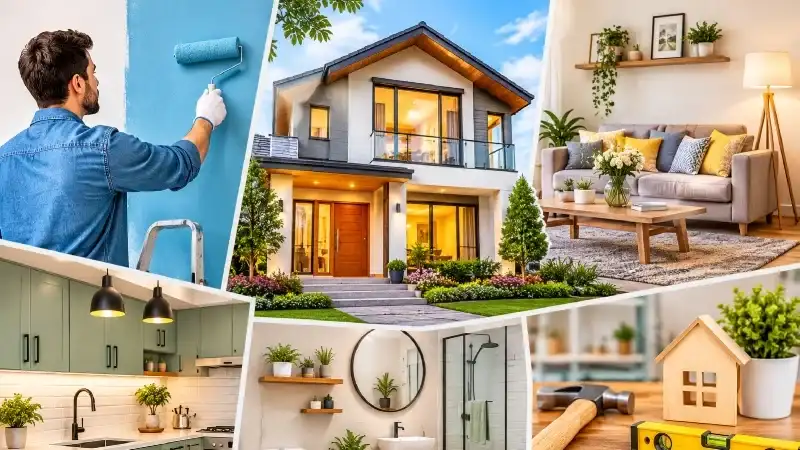
Improving your home does not always require a major renovation or a large budget. Sometimes, small changes can make a noticeable difference in how your home looks, feels, and functions. From refreshing your walls to organizing your living space, simple improvements can help create a more comfortable and attractive environment.
Home improvement tips Mipimprov offers practical ideas for homeowners who want to upgrade their spaces without making the process complicated. Whether you live in a small apartment or a spacious house, the right improvements can make everyday living easier and more enjoyable.
In this guide, you will discover affordable home upgrades, smart DIY projects, decorating ideas, and practical ways to improve your home’s comfort, appearance, and value.
Why Home Improvement Matters
Your home is more than just a place to live; it is a space where you relax, create memories, and enjoy everyday life. It is where you relax, spend time with family, work, and enjoy your daily routine. A well-kept home makes daily life more comfortable, convenient, and relaxing.
Home improvement can also help you solve common problems. Better lighting makes dark rooms more welcoming, additional storage reduces clutter, and proper ventilation improves indoor comfort.
There is no need to tackle all your home improvement projects at the same time. Start with the areas that affect your daily life the most, then gradually work toward other improvements.
1. Refresh Your Walls With a New Paint Color
<AsyncImageGroup query={[“modern cozy living room freshly painted warm neutral walls”, “DIY home interior painting roller brush neutral beige wall”, “small bedroom soft sage green painted walls modern decor”]} aspectRatio=”5:4″ layout=” bento”/>
Painting is one of the simplest ways to transform a room. A fresh coat of paint can make an older space look cleaner and more modern without replacing furniture or flooring.
Consider these ideas when choosing paint colors:
- Use warm white or light beige to create a bright, welcoming atmosphere.
- Try soft green or blue for a calm bedroom environment.
- Choose an accent wall to add personality without painting the entire room.
- Match wall colors with existing furniture to avoid unnecessary expenses.
Before painting, clean the walls, repair small holes, and apply primer when needed. Preparing the walls properly ensures a smooth finish and helps the paint stay fresh for longer.
2. Improve Lighting for a Better Atmosphere
<AsyncImageGroup query={[“modern living room layered lighting floor lamp table lamp warm ambient”, “bright kitchen under cabinet LED lighting modern interior”, “cozy bedroom warm bedside lamps contemporary decor”]} aspectRatio=”5:4″/>
Lighting plays an important role in creating a room’s overall look, feel, and atmosphere. Even beautiful furniture can appear dull when a space has poor lighting.
Instead of depending on one ceiling light, combine different lighting sources.
Ambient lighting provides general illumination. Ceiling fixtures and recessed lights are common examples.
Task lighting helps with specific activities. Desk lamps, reading lights, and under-cabinet kitchen lights are useful options.
Accent lighting highlights decorative features such as artwork, shelves, or architectural details.
LED bulbs can also reduce electricity use compared with traditional incandescent bulbs. Choose a color temperature that suits the room. Warm white often works well in bedrooms and living rooms, while neutral white can be useful in kitchens and work areas.
3. Upgrade Your Kitchen Without a Full Remodel
<AsyncImageGroup query={[“budget kitchen makeover painted cabinets new hardware before after style”,”modern kitchen cabinet handles brushed brass simple upgrade”,”small kitchen organization drawer dividers pantry containers”]} aspectRatio=”5:4″/>
Kitchen renovations can become expensive, but smaller upgrades can still improve appearance and functionality.
Start by looking at the cabinets. If they remain in good condition, cleaning, repainting, or replacing their handles may be enough to give them a fresh look.
Other practical improvements include:
- Organizing drawers with dividers.
- Adding shelves to unused wall space.
- Improving lighting above countertops.
- Using storage containers for dry ingredients.
- Replacing damaged faucet parts when necessary.
For example, changing outdated cabinet handles and adding brighter lighting can make a kitchen feel more modern without replacing the cabinets.
Always check the condition of plumbing, electrical connections, and surfaces before starting a DIY project.
4. Make Small Spaces Feel Bigger
<AsyncImageGroup query={[“small apartment living room space saving furniture bright neutral interior”,”small bedroom multifunctional storage bed minimalist design”,”compact home interior mirror natural light organized living room”]} aspectRatio=”5:4″/>
Small homes can feel comfortable and spacious when furniture and storage work together.
One useful approach is to reduce visual clutter. Keep frequently used items accessible and store less-used belongings in baskets, cabinets, or under-bed containers.
Try these space-saving ideas:
- Choose furniture with built-in storage.
- Use wall-mounted shelves instead of bulky cabinets.
- Place mirrors where they can reflect natural light.
- Keep pathways clear between furniture.
- Select furniture that fits the room’s actual dimensions.
Before buying anything, measure the available space. A large sofa or oversized table may look attractive in a showroom but can make a small room difficult to use.
5. Improve Your Home’s Energy Efficiency
Energy-efficient improvements can make your home more comfortable and help manage utility costs over time.
Start with simple changes, such as replacing outdated bulbs with LEDs and turning off unused lights and appliances.
Next, check for air leaks around windows and doors. Weatherstripping and suitable caulk can help reduce unwanted drafts. Proper window coverings may also help manage heat and sunlight.
Other improvements worth considering include:
- Using ceiling fans to improve air circulation.
- Maintaining heating and cooling equipment.
- Cleaning air filters according to manufacturer instructions.
- Choosing energy-efficient appliances when replacements become necessary.
- Adding insulation where appropriate.
The best improvements depend on your climate, building design, and current energy use. Focus on changes that address actual problems rather than spending money on upgrades you may not need.
6. Give Your Bathroom a Simple Makeover
<AsyncImageGroup query={[“budget bathroom makeover modern mirror fresh towels minimalist accessories”,”small bathroom updated vanity cabinet hardware clean modern design”,”modern bathroom shower curtain neutral decor plants natural materials”]} aspectRatio=”5:4″/>
A bathroom does not need expensive tiles or new fixtures to look refreshed.
Begin with a thorough cleaning and remove items that make the space feel crowded. Fresh towels, a coordinated shower curtain, and an attractive mirror can improve the overall appearance.
You can also consider:
- Replacing worn cabinet handles.
- Installing better vanity lighting.
- Adding practical wall shelves.
- Improving ventilation.
- Replacing damaged sealant around fixtures.
Pay attention to moisture. A working exhaust fan and properly sealed surfaces help protect the bathroom from mold and water damage.
If you notice persistent leaks, soft flooring, or signs of hidden moisture, address the underlying problem before adding decorative upgrades.
7. Create a More Inviting Outdoor Space
<AsyncImageGroup query={[“small front porch makeover cozy outdoor chairs potted plants”,” budget backyard patio seating string lights garden”, “simple front yard landscaping walkway flower beds home exterior”]} aspectRatio=”5:4″/>
Outdoor improvements can make your home more welcoming while providing extra space to relax.
You can start with the front entrance. Clean the walkway, maintain the lawn, trim overgrown plants, and repaint the front door if necessary.
For a backyard or patio, consider adding comfortable seating, outdoor lighting, and a few suitable plants.
Even a small balcony can become useful with foldable furniture and container gardening.
Choose outdoor materials that can handle your local weather conditions. This helps reduce maintenance and prevents unnecessary replacement costs.
8. Add Storage to Reduce Clutter
A clean and organized home often feels more attractive than a home filled with expensive decorations.
Look for unused spaces that could provide additional storage. The area beneath a staircase, the back of a door, or the space above a washing machine may offer useful opportunities.
Some simple storage solutions include:
- Wall-mounted hooks for bags and coats.
- Storage baskets for everyday items.
- Drawer organizers for kitchen and office supplies.
- Floating shelves for books and decorations.
- Labeled containers for seasonal belongings.
The goal is not to hide everything. Instead, create a place for the items you use regularly so cleaning and organizing become easier.
9. Make Your Home More Comfortable
<AsyncImageGroup query={[“comfortable cozy living room textured throw pillows layered rugs neutral interior”,”home workspace ergonomic desk chair natural daylight plants”, “cozy reading corner armchair floor lamp bookshelf modern home”]} aspectRatio=”5:4″/>
Comfort should be a major part of every home improvement decision.
For example, if you work from home, a supportive chair and an appropriately positioned desk can make your workspace more practical. If your living room feels uncomfortable, rearranging the furniture may improve movement and conversation.
Other small improvements include adding curtains for privacy, choosing comfortable bedding, and creating a quiet reading corner.
Think about how you use each room throughout the day. Improvements that support your routine often provide more value than purely decorative changes.
10. Plan Your Home Improvement Budget Wisely
A successful improvement project begins with a realistic budget.
Before purchasing materials, list the work you want to complete and estimate the cost of supplies, tools, labor, and possible repairs.
A practical approach is to divide projects into three categories:
Essential repairs: Fix leaks, electrical problems, damaged structures, and other safety concerns first.
Functional improvements: Upgrade lighting, storage, ventilation, and everyday convenience.
Decorative improvements: Add paint, artwork, accessories, and finishing touches after the important work is complete.
Keep some money available for unexpected expenses. Older homes may reveal hidden problems once a project begins.
Compare prices, check product quality, and avoid buying materials simply because they are on sale. A carefully planned project usually provides better results than several unfinished upgrades.
11. Know When to Choose DIY and When to Hire a Professional
DIY projects can save money and provide a sense of accomplishment. Painting, organizing, installing simple shelves, and updating decorative accessories are often suitable for homeowners with basic skills.
However, some work requires professional knowledge, proper tools, permits, or specialized safety precautions.
Consider hiring a qualified professional for major electrical work, structural changes, gas lines, complex plumbing, and projects involving significant roof repairs.
Before hiring someone, ask for a written estimate, confirm relevant qualifications, and discuss the project timeline. Clear communication helps prevent misunderstandings and unexpected costs.
Final Thoughts
Improving your home is about making your living space more comfortable, useful, and enjoyable. You do not need expensive renovations to create meaningful changes. Simple updates to paint, lighting, storage, furniture, and outdoor areas can make a noticeable difference.
These home improvement tips Mipimprov provide a starting point for homeowners who want practical ideas without unnecessary complexity. Choose projects that match your budget, personal needs, and available time.
Start with one manageable improvement, complete it properly, and move on to the next. With thoughtful planning and consistent maintenance, you can gradually create a home that looks better and works better for everyday living. For more information, visit our website.