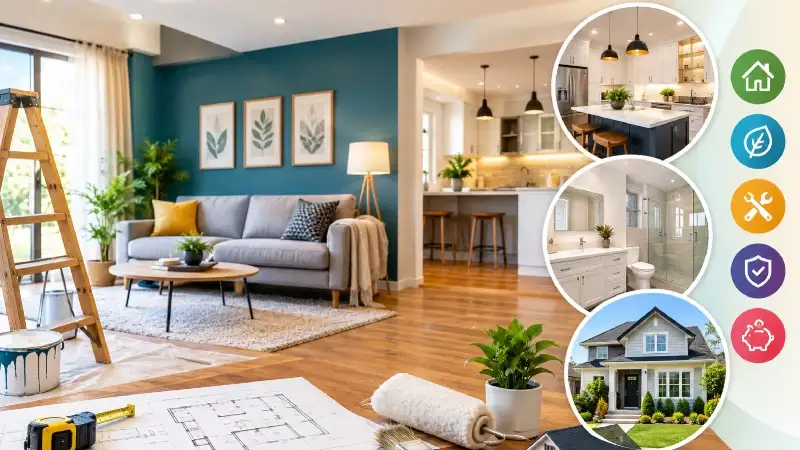
Upgrading a home can make everyday life more comfortable, improve energy efficiency, and help protect the value of a property. From refreshing a dated kitchen to improving insulation or updating an old bathroom, even small changes can make a noticeable difference. The key is to choose projects that meet your needs, fit your budget, and offer lasting benefits.
Home upgrading mintpalment is the focus of this guide. Whether you own an older house, have recently purchased a property, or simply want to improve your living space, understanding the planning process can help you make smarter decisions. You will learn how to set priorities, estimate costs, choose materials, avoid common mistakes, and create a home that works better for your lifestyle.
What Is Home Upgrading?
Home upgrading involves improving a property’s appearance, comfort, safety, function, or efficiency. It can include simple cosmetic changes, such as painting walls, or larger projects, such as replacing windows, renovating a kitchen, or updating an electrical system.
Unlike ordinary cleaning and maintenance, upgrading often changes how a home looks or performs. For example, replacing worn flooring can improve the appearance of a room, while adding attic insulation can help maintain a more consistent indoor temperature.
Common home improvement projects include:
- Kitchen improvements: Updating cabinets, countertops, lighting, and appliances.
- Bathroom renovations: Replacing old fixtures, improving ventilation, and updating tiles.
- Energy efficiency: Sealing air leaks, improving insulation, and installing efficient lighting.
- Interior updates: Painting walls, changing flooring, and improving storage.
- Exterior improvements: Repairing siding, updating entry doors, and improving landscaping.
- Safety upgrades: Installing smoke alarms, improving outdoor lighting, and addressing electrical problems.
The best improvements solve real problems rather than simply following design trends.
Why Is Home Upgrading Important?
A well-planned renovation can improve several aspects of daily life. However, the benefits depend on the condition of your property, the quality of the work, and the choices you make.
1. Improve Everyday Comfort
A comfortable home should suit the people who live in it. Better lighting can make a dark room more welcoming, while improved storage can reduce clutter and make everyday tasks easier.
For example, a family that struggles with a crowded kitchen might benefit more from additional cabinet space and better counter organization than from expensive decorative finishes.
2. Increase Energy Efficiency
Older homes sometimes lose heated or cooled air through gaps around windows, doors, and poorly insulated areas. Sealing these gaps and improving insulation can help reduce unnecessary energy use.
Other useful changes include installing LED bulbs, choosing efficient appliances, and using programmable or smart thermostats where appropriate.
Before investing in major energy upgrades, identify the biggest sources of energy loss. An energy assessment can help you prioritize improvements instead of spending money on changes that offer limited benefits.
3. Support Property Value
Some improvements can make a property more attractive to future buyers. A clean, functional kitchen, a well-maintained bathroom, and a sound roof can all contribute to a positive impression.
However, renovation costs do not automatically translate into an equal increase in resale value. Returns depend on local housing conditions, buyer preferences, project quality, and the amount spent.
4. Address Safety and Maintenance Problems
A home may look attractive while hiding problems behind its walls. Water leaks, damaged wiring, poor ventilation, and structural concerns deserve attention before cosmetic upgrades.
Fixing these issues early can prevent further damage and help protect the people living in the property.
How to Plan a Home Improvement Project
Good planning helps control costs and reduces the chance of unexpected delays. Before purchasing materials or hiring a contractor, follow a clear process.
Step 1: Identify Your Main Goals
Start by listing the problems you want to solve. Perhaps a room feels too dark, your energy bills are high, or your bathroom needs better ventilation.
Rank each project according to urgency, usefulness, and affordability. Safety repairs and active leaks should generally come before decorative changes.
The home upgrading mintpalment process becomes easier when you understand exactly what you want to achieve before work begins.
Step 2: Set a Realistic Budget
Calculate how much you can comfortably spend without affecting essential household expenses. Research material prices, labor costs, permits, delivery fees, and disposal charges.
Keep a contingency fund for unexpected issues. A reserve of around 10% to 20% of the planned budget is a common starting point, although older properties and major renovations may require more.
For example, if your estimated project cost is $5,000, a reserve of $500 to $1,000 could help cover unforeseen expenses. This is a planning example, not a guarantee that the project will stay within that amount.
Step 3: Measure the Space and Compare Options
Accurate measurements help prevent wasted materials and purchasing mistakes. Measure walls, floors, windows, and doorways before ordering products.
Compare materials based on durability, maintenance, appearance, and price. A cheaper flooring option may cost less initially but require earlier replacement. A more durable product may provide better long-term value if it suits the room and installation conditions.
Step 4: Decide Whether to Hire a Professional
Some projects are manageable for homeowners with basic DIY skills. Painting, installing simple shelves, and replacing cabinet handles may require little professional assistance.
Other jobs need qualified contractors. Electrical work, major plumbing changes, structural alterations, and certain roofing projects can create serious safety risks if handled incorrectly.
Check local licensing requirements, insurance, references, written estimates, and warranties before hiring anyone. For larger projects, obtain multiple comparable quotes and ask each contractor to explain what the price includes.
Step 5: Check Permits and Local Rules
Building permits may be required for structural changes, additions, electrical upgrades, plumbing work, or other regulated projects. Requirements vary by location.
Contact your local building department before beginning work. If your property belongs to a homeowners association or is subject to special restrictions, check those rules as well.
Budget-Friendly Home Upgrading Ideas
You do not need a complete renovation to improve your home. Several smaller projects can make a room more useful and attractive.
Refresh Walls and Cabinets
A fresh coat of paint can change the atmosphere of a room without the expense of replacing furniture. Neutral colors can create a calm background, while an accent wall can add character.
Painting cabinets may also refresh a kitchen, provided the existing surfaces are in good condition and you prepare them correctly. Clean, sand, prime, and use a suitable finish for the material.
Improve Lighting
Good lighting makes rooms easier to use and can improve their overall appearance. Combine general lighting with task lighting in places such as kitchen counters, desks, and reading areas.
Replace suitable older bulbs with LEDs, and choose a color temperature that matches the room’s purpose. Warmer light often works well in living spaces, while brighter neutral light can suit work areas.
Upgrade Storage
Storage improvements can make a home feel larger without changing its physical size. Use vertical shelving, drawer organizers, under-bed storage, and hooks to make better use of available space.
Before buying organizers, remove items you no longer need. Decluttering first can help you avoid spending money on storage products that do not solve the real problem.
Make Small Bathroom Improvements
If a full bathroom renovation is outside your budget, consider replacing worn hardware, improving lighting, refreshing the mirror, or repairing damaged grout.
Address leaks and ventilation problems first. Persistent moisture can encourage mold growth and damage walls, ceilings, and finishes.
Improve Curb Appeal
The outside of your home shapes its first impression. Clean pathways, trimmed plants, repaired exterior paint, and a well-maintained entrance can make a property look cared for.
Choose outdoor materials that suit your climate and maintenance preferences. For example, plants that tolerate local rainfall may require less watering than varieties that need constant attention.
Common Home Upgrading Mistakes to Avoid
Even a well-intentioned renovation can become expensive when you overlook important details.
Ignoring hidden problems: Covering damaged walls without fixing the source of moisture can lead to recurring repairs. Investigate the cause before applying new finishes.
Spending too much on trends: Bold finishes and fashionable fixtures may lose their appeal. Choose long-lasting designs for expensive elements and use smaller accessories to experiment with trends.
Underestimating costs: Materials are only part of the total expense. Include labor, permits, delivery, cleanup, and possible temporary accommodation when relevant.
Choosing the lowest quote automatically: A very low estimate may exclude important tasks or use unsuitable materials. Compare the full scope of work rather than looking at the final number alone.
Starting too many projects at once: Multiple unfinished rooms can disrupt daily life and make budgeting difficult. Complete high-priority projects before moving to the next stage.
Skipping maintenance: Even quality upgrades need care. Follow manufacturer instructions, inspect vulnerable areas, and repair minor problems before they become larger ones.
How to Choose Home Upgrades That Last
Long-lasting improvements usually combine practical design, suitable materials, and careful installation.
Start with the parts of your home that receive the most daily use. Durable flooring may be a sensible choice for a busy hallway, while moisture-resistant materials are important in bathrooms and laundry areas.
Consider accessibility as well. Better hallway lighting, secure handrails, lever-style door handles, and fewer trip hazards can make a home easier to use as household needs change.
Also consider environmental impact. Repairing usable items, selecting durable products, reducing construction waste, and choosing efficient appliances can help limit unnecessary consumption.
For larger renovations, think about the whole house rather than one room in isolation. Improving insulation before replacing a heating or cooling system, for example, may help you choose equipment that better matches the property’s needs.
Is Home Upgrading Worth the Investment?
Home improvements can be worthwhile when they solve a genuine problem, improve daily comfort, or reduce future maintenance needs. However, every project has different costs and benefits.
Before committing, ask yourself three questions:
- Does this upgrade address an important need?
- Can I afford the full project, including unexpected costs?
- Will the improvement remain useful for several years?
If you plan to sell your property, research comparable homes in your area and focus on improvements that local buyers value. If you plan to stay, prioritize comfort, reliability, and the way your household uses each room.
The goal is not to spend the most money. It is to make informed choices that provide practical value over time.
Conclusion
Home improvement works best when you approach it with a clear plan, a realistic budget, and a focus on long-term value. From painting walls and improving storage to addressing insulation, plumbing, and electrical concerns, each project should serve a specific purpose.
A thoughtful approach to home upgrading mintpalment can help homeowners organize their priorities, avoid common renovation mistakes, and create a more comfortable living environment. Start with the most important needs, research your options, and seek professional advice when a project involves safety or structural concerns.
You do not have to transform your entire house at once. Begin with one meaningful improvement, evaluate the results, and build on your progress over time. For more information, visit our website.
2 thoughts on “Home Upgrading Mintpalment: A Complete Guide to Home Improvement”