
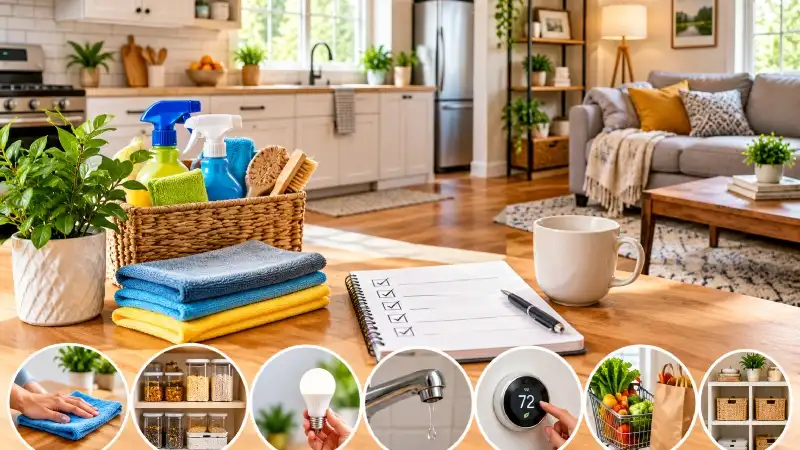
Managing a home can sometimes feel like a full-time job. From cleaning and organizing to handling small repairs and keeping daily tasks under control, homeowners deal with many responsibilities. The good news is that simple habits and practical solutions can make these tasks easier. You do not always need expensive tools or professional help to improve your living space.
DrHomey handy tips focus on practical ideas that can help people maintain their homes, save time, reduce waste, and create a more comfortable environment. Whether you live in a small apartment or a large family house, useful household habits can make a real difference in your everyday routine.
This guide explores simple home care strategies, organization ideas, cleaning methods, and maintenance practices that you can apply without making your life more complicated.
1. Keep Your Home Organized With Simple Habits
A well-organized home makes everyday activities easier. When everything has a proper place, you spend less time searching for important items and more time enjoying your surroundings.
Start by organizing one area at a time instead of trying to clean the entire house in one day. For example, arrange your kitchen cabinets, organize your bedroom drawers, or clear unnecessary items from your living room.
Here are a few useful habits:
- Keep frequently used items in easily accessible places.
- Use storage baskets for small household belongings.
- Return items to their original places after using them.
- Remove things you no longer need.
- Spend five to ten minutes organizing your space each day.
These small actions prevent clutter from building up. They also make cleaning faster and help your home feel more comfortable.
2. Make Cleaning Easier With a Daily Routine
Cleaning becomes difficult when you leave every task until the weekend. A simple daily routine can prevent dirt and clutter from accumulating.
Instead of spending several hours cleaning at once, divide household chores into smaller activities. Clean kitchen surfaces after cooking, wipe bathroom sinks regularly, and sweep areas that receive heavy foot traffic.
A practical cleaning schedule might look like this:
- Morning: Make your bed and put away loose items.
- Afternoon: Clean kitchen counters after preparing meals.
- Evening: Wash dishes, wipe surfaces, and organize the living room.
- Weekly: Vacuum floors, clean bathrooms, and change bed linens.
Use suitable cleaning products for each surface. Never mix household chemicals, especially bleach with ammonia or acidic cleaners, because dangerous gases can form.
A consistent routine keeps your home cleaner without taking too much time from your day.
3. Save Energy Around the House
Energy costs can affect a household budget, but a few simple changes can reduce unnecessary electricity use.
Start by switching off lights when you leave a room. Unplug chargers and electronic devices when you do not need them, particularly if they continue drawing standby power.
Consider these energy-saving ideas:
- Replace older bulbs with energy-efficient LED lighting.
- Use natural daylight whenever possible.
- Clean air conditioner filters according to the manufacturer’s instructions.
- Set your thermostat to a comfortable, energy-conscious temperature.
- Choose energy-efficient appliances when replacing old equipment.
You can also improve airflow by keeping furniture away from air vents. This allows heating and cooling systems to distribute air more effectively.
The goal is not to sacrifice comfort. Instead, focus on avoiding energy waste through better everyday habits.
4. Handle Small Household Problems Early
Minor household problems can become expensive when people ignore them. A dripping faucet, loose cabinet handle, or small crack may seem unimportant, but early attention can prevent further damage.
Check your home regularly for signs of wear and tear. Look under sinks for leaks, inspect door handles, and pay attention to unusual sounds from appliances.
Some basic maintenance tasks include:
- Tightening loose cabinet handles and screws.
- Replacing worn weatherstripping around doors.
- Cleaning clogged sink strainers.
- Checking smoke detector batteries.
- Looking for water stains near ceilings and plumbing fixtures.
However, understand your limits. Electrical faults, major plumbing problems, gas leaks, and structural damage require qualified professionals.
Taking care of small issues early can protect your property and help avoid larger repair bills.
5. Create a More Functional Kitchen
The kitchen is one of the busiest areas in most homes. A disorganized kitchen can make cooking stressful, especially when you cannot find ingredients, utensils, or basic equipment.
Start by grouping similar items together. Keep cooking tools near the stove, store everyday dishes in accessible cabinets, and arrange frequently used ingredients in one convenient area.
A few practical improvements can make a difference:
Use clear storage containers: These help you identify dry ingredients without opening every package.
Label food containers: Write the contents and storage date to avoid confusion.
Clean as you cook: Wash utensils and wipe surfaces while preparing meals.
Check food regularly: Review expiration dates and use older suitable ingredients before opening newer packages.
Keep countertops clear: Store equipment you rarely use instead of allowing it to occupy valuable workspace.
An organized kitchen saves time and makes meal preparation more enjoyable.
6. Improve Indoor Comfort and Air Quality
Your home should feel comfortable, fresh, and welcoming. Indoor comfort depends on several factors, including ventilation, temperature, cleanliness, and moisture control.
Open windows when outdoor conditions allow fresh air to circulate. Clean dust from furniture, ceiling fans, and other surfaces regularly. If you use an air conditioner, follow its maintenance instructions and replace or clean filters when needed.
Moisture also deserves attention. Excess humidity can encourage mold growth, particularly in bathrooms, kitchens, and poorly ventilated rooms.
To manage moisture:
- Use bathroom exhaust fans during and after showers.
- Repair plumbing leaks promptly.
- Dry wet surfaces instead of leaving standing water.
- Avoid blocking ventilation openings.
- Address visible mold and investigate its moisture source.
If mold covers a large area or keeps returning, consider professional assessment rather than simply covering it with paint.
7. Save Money With Smarter Household Shopping
Managing household expenses does not always require major lifestyle changes. Better shopping habits can help you control spending and reduce unnecessary purchases.
Before visiting a store, make a list of essential items. Check your kitchen cabinets and storage areas to avoid buying products you already have.
Try these practical shopping habits:
- Compare prices before purchasing expensive products.
- Look for energy-efficient appliances.
- Buy household essentials in suitable quantities.
- Avoid purchasing items simply because they are on sale.
- Choose durable products that offer good long-term value.
It is also helpful to maintain a basic household budget. Record regular expenses such as electricity, water, cleaning supplies, and repairs.
Reviewing these costs every month can help you identify areas where you spend more than necessary.
8. Make Small Spaces More Useful
You do not need a large house to enjoy an organized and comfortable living environment. Even a small apartment can feel spacious when you use available areas wisely.
Vertical storage is especially helpful because it uses wall space instead of taking up additional floor space. Wall-mounted shelves, hanging organizers, and compact storage furniture can make small rooms more functional.
Other useful ideas include:
- Choose furniture with built-in storage.
- Use under-bed containers for seasonal belongings.
- Keep walkways free from unnecessary objects.
- Use mirrors to make rooms feel brighter.
- Arrange furniture to allow easy movement.
Avoid filling every corner with decorations or storage items. Leaving some open space creates a cleaner appearance and makes everyday movement easier.
9. Build a Simple Home Maintenance Checklist
Regular maintenance helps you understand the condition of your property and identify problems before they become serious.
You do not need a complicated system. A simple checklist can help you remember important responsibilities.
Monthly tasks:
- Check under sinks for leaks.
- Test smoke and carbon monoxide alarms according to their instructions.
- Clean appliance filters where appropriate.
- Inspect doors and windows.
- Look for signs of moisture or mold.
Seasonal tasks:
- Inspect roof areas from a safe position.
- Check outdoor drainage.
- Clean gutters when needed.
- Review heating and cooling system performance.
- Inspect exterior walls for visible damage.
Keep notes about completed repairs, appliance servicing, and replacement dates. This record can be useful when planning future maintenance or discussing problems with a professional.
10. Use Technology to Simplify Everyday Tasks
Modern technology can make household management more convenient. You do not need an expensive smart home system to benefit from useful digital tools.
A smartphone calendar can remind you about cleaning schedules, bill payments, appliance servicing, and other responsibilities.
You can also use:
- Digital grocery lists to organize shopping.
- Budgeting apps to track household expenses.
- Smart plugs to manage compatible devices.
- Video tutorials to understand basic maintenance.
- Digital reminders for regular cleaning tasks.
Before purchasing smart home equipment, check compatibility, security features, and ongoing costs. Choose technology that solves a real problem instead of buying gadgets you may rarely use.
Why Practical Home Tips Matter
A comfortable home does not come from expensive furniture or constant renovations. It develops through regular care, thoughtful organization, and small improvements that support everyday life.
The most useful DrHomey handy tips are those that solve real household problems. For example, organizing kitchen storage can save preparation time, while checking plumbing fixtures regularly can help prevent water damage.
These improvements may seem small individually, but together they can create a more manageable living environment.
The best approach is to start with one or two changes and build from there. Trying to change every household habit at once can feel overwhelming. Focus on the tasks that offer the greatest benefit to your daily routine.
Final Thoughts
Making everyday life easier starts with practical decisions and consistent habits. From keeping rooms organized and saving energy to handling minor repairs and improving indoor comfort, simple household improvements can make a meaningful difference.
DrHomey handy tips offer a useful starting point for anyone who wants to maintain a cleaner, safer, and more functional home. You do not need to spend a lot of money or complete every project immediately.
Choose one area that needs attention, apply a simple solution, and maintain the habit. Over time, these small efforts can help you create a home that supports your comfort, saves valuable time, and makes everyday responsibilities easier to manage. For more information, visit our website.